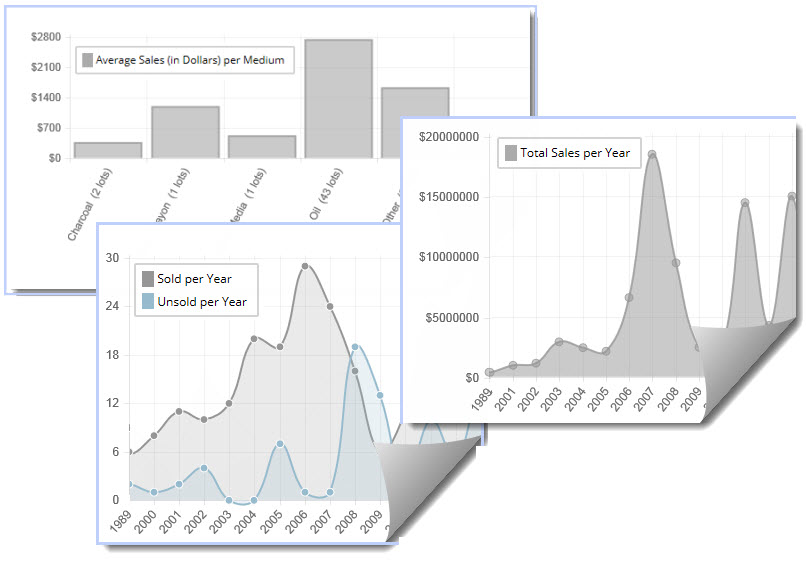
Werner Mantz PRICE CHARTS
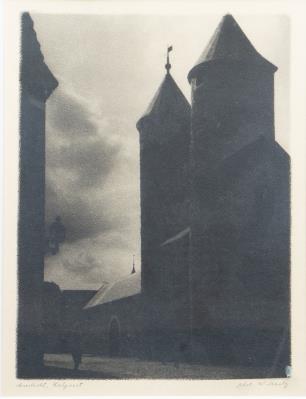
1901 Cologne, German - 1983 Eijsden, Netherlands. Known for: Industrial scene and portrait photography.
Werner Mantz ( Cologne , April 28 1901 - Eijsden , 1983 ) was a photographer of mostly architecture and industry in the twenties and thirties in the region of Cologne and Limburg, Germany. Mantz... Read full biography
Werner Mantz ( Cologne , April 28 1901 - Eijsden , 1983 ) was a photographer of mostly architecture and industry in the twenties and thirties in the region of Cologne and Limburg, Germany. Mantz worked for the architects Wilhelm Riphahn and Frits Peutz (including the glass palace). Because of the... Read full biography
Werner Mantz ( Cologne , April 28 1901 - Eijsden , 1983 ) was a photographer of mostly architecture and industry in the twenties and thirties in the region of Cologne and Limburg, Germany. Mantz worked for the architects Wilhelm Riphahn and Frits Peutz (including the glass palace). Because of the Nazi politics, he fled to Maastricht. After World War II, he was mainly working as a portrait photographer, especially children's portraits. His work is included in major collections, mainly in the... Read full biography
Werner Mantz ( Cologne , April 28 1901 - Eijsden , 1983 ) was a photographer of mostly architecture and industry in the twenties and thirties in the region of Cologne and Limburg, Germany. Mantz worked for the architects Wilhelm Riphahn and Frits Peutz (including the glass palace). Because of the Nazi politics, he fled to Maastricht. After World War II, he was mainly working as a portrait photographer, especially children's portraits. His work is included in major collections, mainly in the U.S., Japan, Germany (the Museum Ludwig in Cologne, the largest collection) and the Netherlands (the Bonnefantenmuseum in Maastricht, the latter gives a broad overview of his work). Source:. "Werner Mantz", Wikipedia,... Read full biography
Werner Mantz ( Cologne , April 28 1901 - Eijsden , 1983 ) was a photographer of mostly architecture and industry in the twenties and thirties in the region of Cologne and Limburg, Germany. Mantz worked for the architects Wilhelm Riphahn and Frits Peutz (including the glass palace). Because of the Nazi politics, he fled to Maastricht. After World War II, he was mainly working as a portrait photographer, especially children's portraits. His work is included in major collections, mainly in the U.S., Japan, Germany (the Museum Ludwig in Cologne, the largest collection) and the Netherlands (the Bonnefantenmuseum in Maastricht, the latter gives a broad overview of his work). Source:. "Werner Mantz", Wikipedia, http://nl.wikipedia.org/wiki/Werner_Mantz (Accessed 7/25/2014)
Werner Mantz - Charts
Chart data loaded successfully