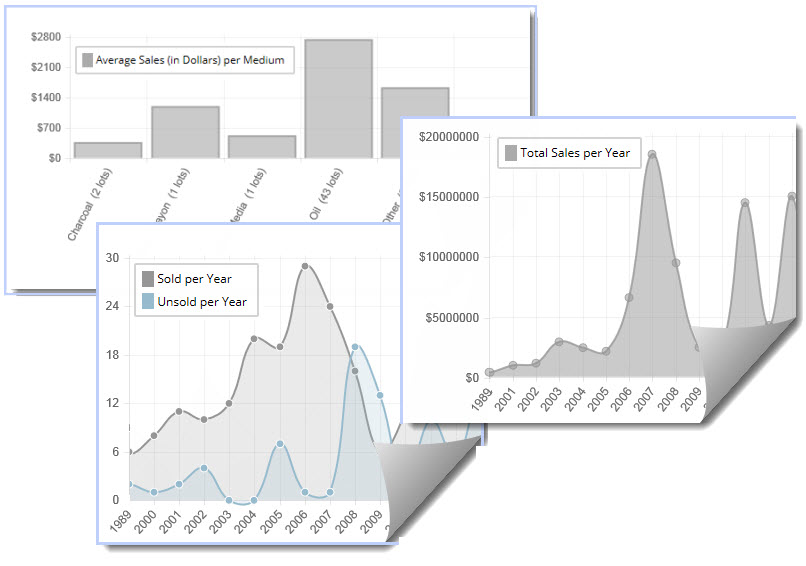
William Brooker PRICE CHARTS
1918 Croydon, Surrey, Englnad - 1983. Known for: Figure in landscape, still life and genre painting, abstraction.
William Brooker's early work had originally been indebted to Sickert and English anecdotal Impressionism. The 20th century brought with it new influences, primarily from France, and Brooker reacted... Read full biography
William Brooker's early work had originally been indebted to Sickert and English anecdotal Impressionism. The 20th century brought with it new influences, primarily from France, and Brooker reacted to this during the 1950s when he appears to have changed his style and rejected the Camden Town and... Read full biography
William Brooker's early work had originally been indebted to Sickert and English anecdotal Impressionism. The 20th century brought with it new influences, primarily from France, and Brooker reacted to this during the 1950s when he appears to have changed his style and rejected the Camden Town and Euston Road traditions. Writing in the preface to the artist's important 1968 one man exhibition at Arthur Tooth and Sons, Edwin Mullins commented 'suddenly formal compositions replaced genre, objects... Read full biography
William Brooker's early work had originally been indebted to Sickert and English anecdotal Impressionism. The 20th century brought with it new influences, primarily from France, and Brooker reacted to this during the 1950s when he appears to have changed his style and rejected the Camden Town and Euston Road traditions. Writing in the preface to the artist's important 1968 one man exhibition at Arthur Tooth and Sons, Edwin Mullins commented 'suddenly formal compositions replaced genre, objects replaced people, an interior became a kind of laboratory, a cell, rather than a place to live in. Then there is the rich fuzz of paint which drags light gently into shadow across the surface of the canvas, picking up as it goes all sorts of echoes... Read full biography
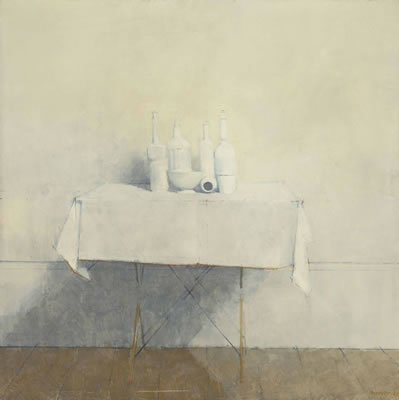
William Brooker's early work had originally been indebted to Sickert and English anecdotal Impressionism. The 20th century brought with it new influences, primarily from France, and Brooker reacted to this during the 1950s when he appears to have changed his style and rejected the Camden Town and Euston Road traditions. Writing in the preface to the artist's important 1968 one man exhibition at Arthur Tooth and Sons, Edwin Mullins commented 'suddenly formal compositions replaced genre, objects replaced people, an interior became a kind of laboratory, a cell, rather than a place to live in. Then there is the rich fuzz of paint which drags light gently into shadow across the surface of the canvas, picking up as it goes all sorts of echoes (after images) of those still-life objects clustered on the table below. Bottles, pots, jars, boxes, they have half-lost thei... Read full biography
William Brooker - Charts
Chart data loaded successfully