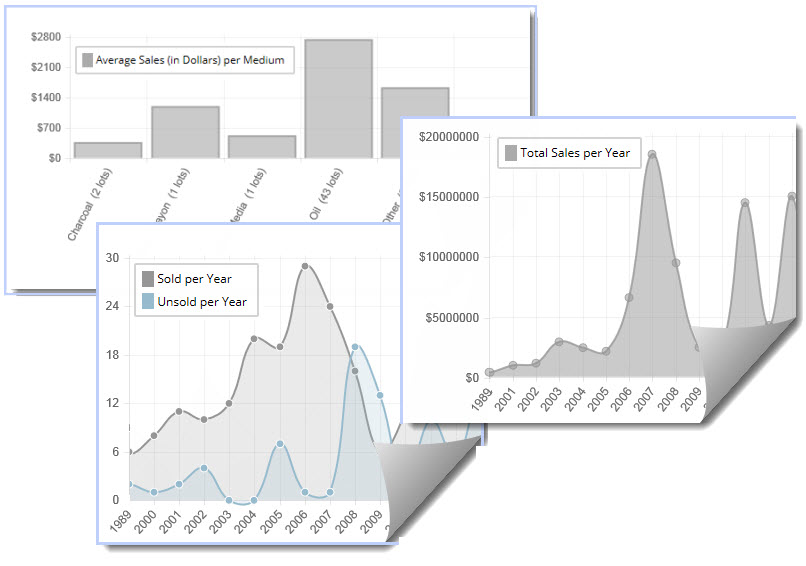
Willy Robert Huth PRICE CHARTS
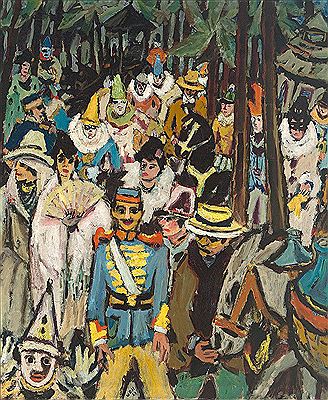
1890 Erfurt - 1977 Berlin. Known for: Figure, still life, land-and seascape painting.
Born in Erfurt in 1890, Willy Robert Huth studied from 1904 to 1906 at the city's School of Applied Arts and then completed an apprenticeship in the studio of the court painter Paul Kämmerer. He then... Read full biography
Born in Erfurt in 1890, Willy Robert Huth studied from 1904 to 1906 at the city's School of Applied Arts and then completed an apprenticeship in the studio of the court painter Paul Kämmerer. He then worked in the studio of architect Wilhelm Kreis and studied at the School of Applied Arts in... Read full biography
Born in Erfurt in 1890, Willy Robert Huth studied from 1904 to 1906 at the city's School of Applied Arts and then completed an apprenticeship in the studio of the court painter Paul Kämmerer. He then worked in the studio of architect Wilhelm Kreis and studied at the School of Applied Arts in Düsseldorf. After military service and captivity Huth settled in 1919 in Berlin, where he maintained close contacts with artists like George Grosz, Karl Schmidt-Rottluff, Karl Hofer, Max Pechstein and Erich... Read full biography
Born in Erfurt in 1890, Willy Robert Huth studied from 1904 to 1906 at the city's School of Applied Arts and then completed an apprenticeship in the studio of the court painter Paul Kämmerer. He then worked in the studio of architect Wilhelm Kreis and studied at the School of Applied Arts in Düsseldorf. After military service and captivity Huth settled in 1919 in Berlin, where he maintained close contacts with artists like George Grosz, Karl Schmidt-Rottluff, Karl Hofer, Max Pechstein and Erich Heckel. Huth took place in the first exhibition of expressionists in America in 1923. During the Nazi dictatorship, he received a ban on painting and exhibiting and his studio and his works were destroyed in an air raid. After another military... Read full biography
Born in Erfurt in 1890, Willy Robert Huth studied from 1904 to 1906 at the city's School of Applied Arts and then completed an apprenticeship in the studio of the court painter Paul Kämmerer. He then worked in the studio of architect Wilhelm Kreis and studied at the School of Applied Arts in Düsseldorf. After military service and captivity Huth settled in 1919 in Berlin, where he maintained close contacts with artists like George Grosz, Karl Schmidt-Rottluff, Karl Hofer, Max Pechstein and Erich Heckel. Huth took place in the first exhibition of expressionists in America in 1923. During the Nazi dictatorship, he received a ban on painting and exhibiting and his studio and his works were destroyed in an air raid. After another military service and Russian captivity Huth returned to Berlin in 1945, where he began teaching and was artistically active up unti... Read full biography
Willy Robert Huth - Charts
Chart data loaded successfully