Wilhelm Busch PRICE CHARTS
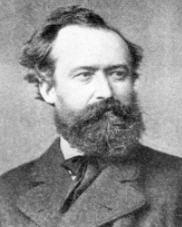
1832 Wiedensahl, Germany - 1908 Mechtshausen, Germany. Known for: Drawings with doggerel verse.
Wilhelm Busch, German painter and poet, was best known for his drawings, which were accompanied by wise, satiric, doggerel verse. His Bilderbogen (pictorial broadsheets) can be considered precursors... Read full biography
Wilhelm Busch, German painter and poet, was best known for his drawings, which were accompanied by wise, satiric, doggerel verse. His Bilderbogen (pictorial broadsheets) can be considered precursors of the comic strip. In 1859, after study at academies in Düsseldorf, Antwerp, and Munich, Busch... Read full biography
Wilhelm Busch, German painter and poet, was best known for his drawings, which were accompanied by wise, satiric, doggerel verse. His Bilderbogen (pictorial broadsheets) can be considered precursors of the comic strip. In 1859, after study at academies in Düsseldorf, Antwerp, and Munich, Busch began to contribute his series of comic sketches to Fliegende Blätter and Münchener Bilderbogen, the leading German weeklies. These were followed by his continuous pictorial narratives with short... Read full biography
Wilhelm Busch, German painter and poet, was best known for his drawings, which were accompanied by wise, satiric, doggerel verse. His Bilderbogen (pictorial broadsheets) can be considered precursors of the comic strip. In 1859, after study at academies in Düsseldorf, Antwerp, and Munich, Busch began to contribute his series of comic sketches to Fliegende Blätter and Münchener Bilderbogen, the leading German weeklies. These were followed by his continuous pictorial narratives with short verse-texts, including Max und Moritz, Der heilige Antonius von Padua, Die fromme Helene, Hans Huckebein, Dideldum!, and Herr und Frau Knopp. By 1910 more than half a million copies of Max und Moritz (which was the forerunner of The Katzenjammer Kids) had... Read full biography
Wilhelm Busch, German painter and poet, was best known for his drawings, which were accompanied by wise, satiric, doggerel verse. His Bilderbogen (pictorial broadsheets) can be considered precursors of the comic strip. In 1859, after study at academies in Düsseldorf, Antwerp, and Munich, Busch began to contribute his series of comic sketches to Fliegende Blätter and Münchener Bilderbogen, the leading German weeklies. These were followed by his continuous pictorial narratives with short verse-texts, including Max und Moritz, Der heilige Antonius von Padua, Die fromme Helene, Hans Huckebein, Dideldum!, and Herr und Frau Knopp. By 1910 more than half a million copies of Max und Moritz (which was the forerunner of The Katzenjammer Kids) had been printed in German, and his works had been translated into many languages. Busch’s wo... Read full biography