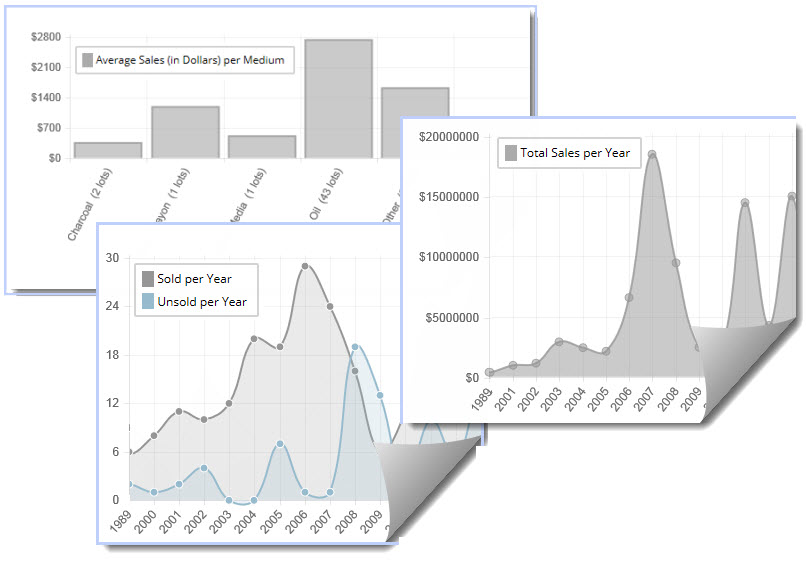
Hans Kinder PRICE CHARTS

1900 Dresden - 1986 Dresden. Known for: Late Cubist painting and his explorations of light.
Hans Kinder was born on 6 August 1900 in Dresden, Germany, and died on 20 January 1986 in Dresden. He was an important representative of Dresden late Cubism, developing a personal language rooted in... Read full biography
Hans Kinder was born on 6 August 1900 in Dresden, Germany, and died on 20 January 1986 in Dresden. He was an important representative of Dresden late Cubism, developing a personal language rooted in fractured form, structured composition, and a distinct regional interpretation of the movement. His... Read full biography
Hans Kinder was born on 6 August 1900 in Dresden, Germany, and died on 20 January 1986 in Dresden. He was an important representative of Dresden late Cubism, developing a personal language rooted in fractured form, structured composition, and a distinct regional interpretation of the movement. His work consistently explored the effects of light, a focus shaped by his long summers painting on the Baltic coast in Ahrenshoop. Kinder attended the Dreikönigsgymnasium in Dresden and began his studies... Read full biography
Hans Kinder was born on 6 August 1900 in Dresden, Germany, and died on 20 January 1986 in Dresden. He was an important representative of Dresden late Cubism, developing a personal language rooted in fractured form, structured composition, and a distinct regional interpretation of the movement. His work consistently explored the effects of light, a focus shaped by his long summers painting on the Baltic coast in Ahrenshoop. Kinder attended the Dreikönigsgymnasium in Dresden and began his studies in 1916 at the Dresdner Kunstgewerbeschule. He later studied as a guest student at the Bauhaus Weimar in 1924 and continued his training at the Akademie der Künste Dresden beginning in 1925, becoming a master student of Max Feldbauer in 1926. His... Read full biography
Hans Kinder was born on 6 August 1900 in Dresden, Germany, and died on 20 January 1986 in Dresden. He was an important representative of Dresden late Cubism, developing a personal language rooted in fractured form, structured composition, and a distinct regional interpretation of the movement. His work consistently explored the effects of light, a focus shaped by his long summers painting on the Baltic coast in Ahrenshoop. Kinder attended the Dreikönigsgymnasium in Dresden and began his studies in 1916 at the Dresdner Kunstgewerbeschule. He later studied as a guest student at the Bauhaus Weimar in 1924 and continued his training at the Akademie der Künste Dresden beginning in 1925, becoming a master student of Max Feldbauer in 1926. His early life included military service in World War I, during which he was wounded and hospitalized until 1920, and he served again during World... Read full biography