In polycentric (and polymorphic) landscape of the future of the twenties, the positions of Pannaggi and - above all the ideological - of Paladins were unorthodox compared to the dominant line,... Read full biography
In polycentric (and polymorphic) landscape of the future of the twenties, the positions of Pannaggi and - above all the ideological - of Paladins were unorthodox compared to the dominant line, dictated by Marinetti, and much closer to the positions of futurism against Roman (Balla, Prampolini and... Read full biography
In polycentric (and polymorphic) landscape of the future of the twenties, the positions of Pannaggi and - above all the ideological - of Paladins were unorthodox compared to the dominant line, dictated by Marinetti, and much closer to the positions of futurism against Roman (Balla, Prampolini and Anton Giulio Bragaglia), who had always felt their freedom from Marinetti's line. No less autonomous than Marinetti, and close to Prampolini, was the location of the Turin Futurist group, which took... Read full biography
In polycentric (and polymorphic) landscape of the future of the twenties, the positions of Pannaggi and - above all the ideological - of Paladins were unorthodox compared to the dominant line, dictated by Marinetti, and much closer to the positions of futurism against Roman (Balla, Prampolini and Anton Giulio Bragaglia), who had always felt their freedom from Marinetti's line. No less autonomous than Marinetti, and close to Prampolini, was the location of the Turin Futurist group, which took shape on the occasion of the exhibition of 1922 at the Winter Club. Turin attracted many young people who came for the vehement anti-bourgeois, for the air of rioters and the opportunity for artists to circumvent the official models and at the same... Read full biography
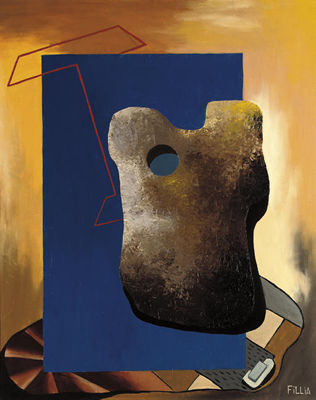
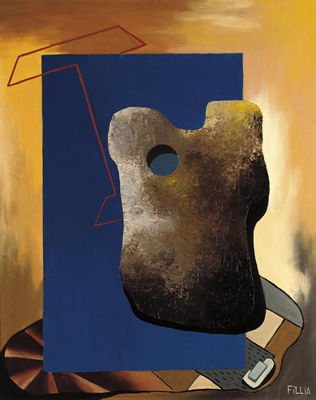
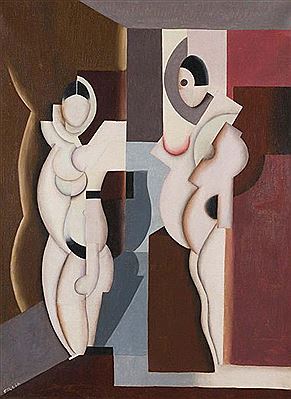
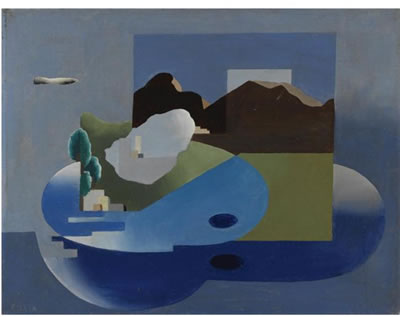
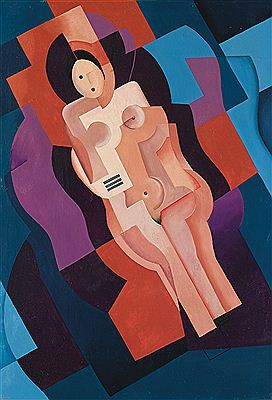
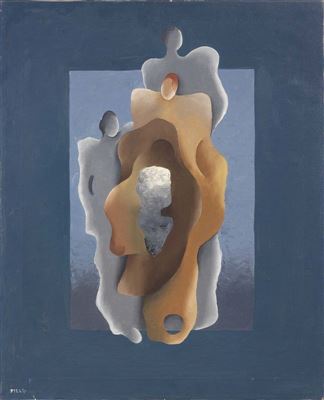
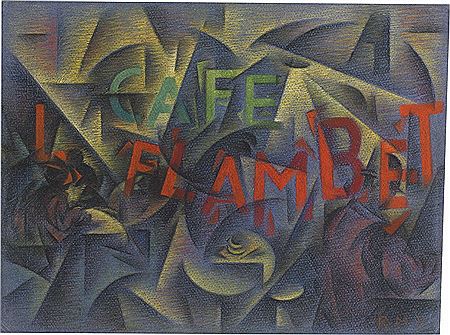
In polycentric (and polymorphic) landscape of the future of the twenties, the positions of Pannaggi and - above all the ideological - of Paladins were unorthodox compared to the dominant line, dictated by Marinetti, and much closer to the positions of futurism against Roman (Balla, Prampolini and Anton Giulio Bragaglia), who had always felt their freedom from Marinetti's line. No less autonomous than Marinetti, and close to Prampolini, was the location of the Turin Futurist group, which took shape on the occasion of the exhibition of 1922 at the Winter Club. Turin attracted many young people who came for the vehement anti-bourgeois, for the air of rioters and the opportunity for artists to circumvent the official models and at the same time to be part of an organization capable of promoting their work. Fillia (actually called Luigi Colombo, but he chose now to b... Read full biography