A prominent carver of figureheads for ships, one of the founders of the Pennsylvania Academy of the Fine Arts, and likely America's first sculptor in the fine-art tradition, William Rush became well... Read full biography
A prominent carver of figureheads for ships, one of the founders of the Pennsylvania Academy of the Fine Arts, and likely America's first sculptor in the fine-art tradition, William Rush became well known in Philadelphia in the late 18th and early 19th centuries. For fifty years, he oversaw a... Read full biography
A prominent carver of figureheads for ships, one of the founders of the Pennsylvania Academy of the Fine Arts, and likely America's first sculptor in the fine-art tradition, William Rush became well known in Philadelphia in the late 18th and early 19th centuries. For fifty years, he oversaw a successful woodcarving shop with many apprentices at a time when Philadelphia was challenging Boston as the primary shipbuilding center in the United States. He is credited with introducing to America the... Read full biography
A prominent carver of figureheads for ships, one of the founders of the Pennsylvania Academy of the Fine Arts, and likely America's first sculptor in the fine-art tradition, William Rush became well known in Philadelphia in the late 18th and early 19th centuries. For fifty years, he oversaw a successful woodcarving shop with many apprentices at a time when Philadelphia was challenging Boston as the primary shipbuilding center in the United States. He is credited with introducing to America the French style of figurehead, which was full length and called a "walking figure", meaning they were freestanding and appeared to be walking forward. These figures were in contrast to the prevalent English style, which was a stiff figure placed across... Read full biography
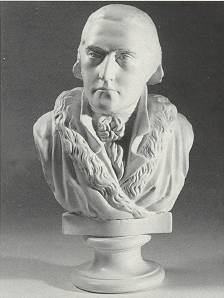
A prominent carver of figureheads for ships, one of the founders of the Pennsylvania Academy of the Fine Arts, and likely America's first sculptor in the fine-art tradition, William Rush became well known in Philadelphia in the late 18th and early 19th centuries. For fifty years, he oversaw a successful woodcarving shop with many apprentices at a time when Philadelphia was challenging Boston as the primary shipbuilding center in the United States. He is credited with introducing to America the French style of figurehead, which was full length and called a "walking figure", meaning they were freestanding and appeared to be walking forward. These figures were in contrast to the prevalent English style, which was a stiff figure placed across a vertical timber of the bow. In addition to marine figureheads, Rush created allegorical figures and portr... Read full biography
William Rush - Art Prices in Auction LotsAuction Lots