Page loaded successfully. Showing biography for Tore Asplund.
Tore Asplund BIOGRAPHY
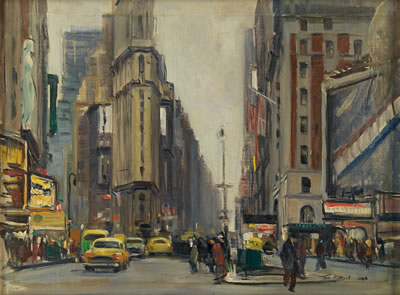
1903 Stockholm, Sweden - 1978. Known for: Watercolor painting, World War II battle scenes.
Tore Asplund was brought to the United States when he was a year old. He studied in New York at the Art Students League, the Academy school, and the Grand Central Art School. His preferred medium was... Read full biography
Tore Asplund was brought to the United States when he was a year old. He studied in New York at the Art Students League, the Academy school, and the Grand Central Art School. His preferred medium was watercolor and it was in the watercolorist class that he was elected to membership in the Academy.... Read full biography
Tore Asplund was brought to the United States when he was a year old. He studied in New York at the Art Students League, the Academy school, and the Grand Central Art School. His preferred medium was watercolor and it was in the watercolorist class that he was elected to membership in the Academy. During World War II Asplund served as a combat artist while in the Coast Guard. He might be best remembered for his paintings of the Omaha Beach landing on D-Day made from sketches taken as the... Read full biography
Tore Asplund was brought to the United States when he was a year old. He studied in New York at the Art Students League, the Academy school, and the Grand Central Art School. His preferred medium was watercolor and it was in the watercolorist class that he was elected to membership in the Academy. During World War II Asplund served as a combat artist while in the Coast Guard. He might be best remembered for his paintings of the Omaha Beach landing on D-Day made from sketches taken as the historic event was unfolding. His extensive travels in the United States, Canada, and Europe are recorded in many of his watercolors. He received the Academy's prize for watercolor in 1953; The Salmagundi Club, the Baltimore Watercolor Club, and the... Read full biography
Tore Asplund was brought to the United States when he was a year old. He studied in New York at the Art Students League, the Academy school, and the Grand Central Art School. His preferred medium was watercolor and it was in the watercolorist class that he was elected to membership in the Academy. During World War II Asplund served as a combat artist while in the Coast Guard. He might be best remembered for his paintings of the Omaha Beach landing on D-Day made from sketches taken as the historic event was unfolding. His extensive travels in the United States, Canada, and Europe are recorded in many of his watercolors. He received the Academy's prize for watercolor in 1953; The Salmagundi Club, the Baltimore Watercolor Club, and the American Watercolor Society also conveyed awards on his works. Asplund served two three-year terms on the Academy Council, from 1960... Read full biography
Artist Biography
Biography page for Tore Asplund ((1903 - 1978)), known for Watercolor painting, World War II battle scenes. Showing 1 biographical entries and 0 sample artworks.
Tore Asplund - Artist Info
About Tore Asplund
Biography from National Academy of Design Museum
Tore Asplund was brought to the United States when he was a year old. He studied in New York at the Art Students League, the Academy school, and the Grand Central Art School. His preferred medium was watercolor and it was in the watercolorist class that he was elected to membership in the Academy.
During World War II Asplund served as a combat artist while in the Coast Guard. He might be best remembered for his paintings of the Omaha Beach landing on D-Day made from sketches taken as the historic event was unfolding.
His extensive travels in the United States, Canada, and Europe are recorded in many of his watercolors. He received the Academy's prize for watercolor in 1953; The Salmagundi Club, the Baltimore Watercolor Club, and the American Watercolor Society also conveyed awards on his works.
Asplund served two three-year terms on the Academy Council, from 1960 to 1963, and from 1965 to 1968, and was a member of the Academy school faculty from 1959 into 1965, with the exception of the 1962-63 season. He was also a member of the Allied Artists, the Salmagundi Club, Audubon Artists, and the American Watercolor Society.