Page loaded successfully. Showing keywords for Antonio Canova.
Artist Keywords
Keywords page for Antonio Canova ((1757 - 1822)), known for Neo-classical sculptor, mythology and religious figure. Showing associated keywords and tags.
Antonio Canova KEYWORDS
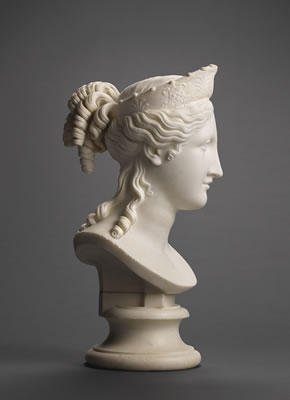
1757 Possagno, Italy - 1822 Rome, Italy. Known for: Neo-classical sculptor, mythology and religious figure.
Antonio Canova (1757-1822). Italian sculptor, Antonio Canova was famous for his marble sculptures of delicate nudes. Working after the excesses of the Baroque* style, he carved a niche for himself in... Read full biography
Antonio Canova (1757-1822). Italian sculptor, Antonio Canova was famous for his marble sculptures of delicate nudes. Working after the excesses of the Baroque* style, he carved a niche for himself in the world of neo-classical* art. Called 'the supreme minister of beauty' and 'a unique and truly... Read full biography
Antonio Canova (1757-1822). Italian sculptor, Antonio Canova was famous for his marble sculptures of delicate nudes. Working after the excesses of the Baroque* style, he carved a niche for himself in the world of neo-classical* art. Called 'the supreme minister of beauty' and 'a unique and truly divine man' by contemporaries, Canova was highly acclaimed in his time. His international reputation as one of the greatest neo-classical sculptors clearly surpassed that of John Flaxman and John... Read full biography
Antonio Canova (1757-1822). Italian sculptor, Antonio Canova was famous for his marble sculptures of delicate nudes. Working after the excesses of the Baroque* style, he carved a niche for himself in the world of neo-classical* art. Called 'the supreme minister of beauty' and 'a unique and truly divine man' by contemporaries, Canova was highly acclaimed in his time. His international reputation as one of the greatest neo-classical sculptors clearly surpassed that of John Flaxman and John Gibson. His most famous works include Apollo Crowning Himself (1781, J Paul Getty Museum, Los Angeles), Theseus and the Minotaur (1781, Victoria and Albert Museum), Cupid and Psyche (1786-93, Louvre, Paris), and Paolina Bonaparte Borghese as Venus... Read full biography
Antonio Canova (1757-1822). Italian sculptor, Antonio Canova was famous for his marble sculptures of delicate nudes. Working after the excesses of the Baroque* style, he carved a niche for himself in the world of neo-classical* art. Called 'the supreme minister of beauty' and 'a unique and truly divine man' by contemporaries, Canova was highly acclaimed in his time. His international reputation as one of the greatest neo-classical sculptors clearly surpassed that of John Flaxman and John Gibson. His most famous works include Apollo Crowning Himself (1781, J Paul Getty Museum, Los Angeles), Theseus and the Minotaur (1781, Victoria and Albert Museum), Cupid and Psyche (1786-93, Louvre, Paris), and Paolina Bonaparte Borghese as Venus Victorious (1808, Rome, Borghese). His tomb for Pope Clement XIV invited direct comparison wi... Read full biography
Antonio Canova - Artist Info
About Antonio Canova: Keywords
Keywords (12)
Art Method
- •Sculpture, Three Dimensional Forms, Sculptor
Art Media
Art Style
Art Subject
- •Portrait Bust Sculpture