Page loaded successfully. Showing keywords for Paul Gottlieb Weber.
Artist Keywords
Keywords page for Paul Gottlieb Weber ((1823 - 1916)), known for Landscape, portrait, animal and still life painting. Showing associated keywords and tags.
Paul Gottlieb Weber KEYWORDS
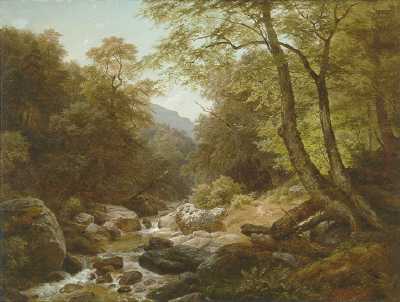
1823 Darmstadt, Germany - 1916 Philadelphia, Pennsylvania. Known for: Landscape, portrait, animal and still life painting.
Landscape and portrait painter, Paul Weber studied in Frankfort, Germany and then emigrated to the United States, in 1848, at the age of 25. He settled in Philadelphia where he was a frequent... Read full biography
Landscape and portrait painter, Paul Weber studied in Frankfort, Germany and then emigrated to the United States, in 1848, at the age of 25. He settled in Philadelphia where he was a frequent exhibitor at the Pennsylvania Academy from 1849. He returned to Europe traveling around Scotland and... Read full biography
Landscape and portrait painter, Paul Weber studied in Frankfort, Germany and then emigrated to the United States, in 1848, at the age of 25. He settled in Philadelphia where he was a frequent exhibitor at the Pennsylvania Academy from 1849. He returned to Europe traveling around Scotland and Germany in 1857. Then in 1860 he returned to Darmstadt and was appointed court painter. Later he returned to the United States and was an instructor in Philadelphia where one of his students was Edward... Read full biography
Landscape and portrait painter, Paul Weber studied in Frankfort, Germany and then emigrated to the United States, in 1848, at the age of 25. He settled in Philadelphia where he was a frequent exhibitor at the Pennsylvania Academy from 1849. He returned to Europe traveling around Scotland and Germany in 1857. Then in 1860 he returned to Darmstadt and was appointed court painter. Later he returned to the United States and was an instructor in Philadelphia where one of his students was Edward Moran. Weber died in Philadelphia in 1916. Source:. Groce and Wallace, "The New York Historical Society's Dictionary of Artists in America". Peter Falk, "Who Was Who in American Art"... Read full biography
Landscape and portrait painter, Paul Weber studied in Frankfort, Germany and then emigrated to the United States, in 1848, at the age of 25. He settled in Philadelphia where he was a frequent exhibitor at the Pennsylvania Academy from 1849. He returned to Europe traveling around Scotland and Germany in 1857. Then in 1860 he returned to Darmstadt and was appointed court painter. Later he returned to the United States and was an instructor in Philadelphia where one of his students was Edward Moran. Weber died in Philadelphia in 1916. Source:. Groce and Wallace, "The New York Historical Society's Dictionary of Artists in America". Peter Falk, "Who Was Who in American Art"... Read full biography
Paul Gottlieb Weber - Artist Info
About Paul Gottlieb Weber: Keywords
Keywords (32)
Art Method
- •Easel Painting
Art Media
Art Style
- •Hudson River School
- •Hudson River School Style of Painting
Art Subject
- •Animals, Mammals
- •Barnyard Fowl, Chickens, Poultry, Roosters
- •Figure, Figurative Humans
- •Landscape
- •Landscape with Cattle, Sheep or Other Farm Animals
- •Landscape, Nature, Rural Scene
- •Marine, Maritime, Riverfront, Boats, Canoes, Steam Boats, Nautical
- •Mountain Views, Mountainscapes
- •Portraits, Portraiture
- •Seascapes, Seasides
- •Skyscape, Clouds and/or Storms
- •Still Life
- •Wildlife, Wild Animal
Geography/Places Lived and/or Worked
- •Catskill Mountains, New York
- •Europe
- •Hudson River Valley, New York
- •Paris Studied and/or Worked Before 1900
- •White Mountains, New Hampshire
Art Association
- •Brooklyn Art Association
Chronology
- •Early 19th Century Before Civil War
- •Late 19th Century, After Civil War
Added Description
- •Art Educator:Teaching, Scholarship, Workshops and/or Writing
Exhibition of Art Association
- •Brooklyn Art Association-
- •National Academy of Design, New York
Exhibition of Commercial Art Gallery and/or Salon
- •Paris Salons
Exhibition By An Art School
- •The Pennsylvania Academy of the Fine Arts