Of Raoul Hague, it was written that he "had two insatiable loves: the human figure and the materials he carved. They come together with remarkable clarity" . in his torsos whose titles often have the... Read full biography
Of Raoul Hague, it was written that he "had two insatiable loves: the human figure and the materials he carved. They come together with remarkable clarity" . in his torsos whose titles often have the type of wood used. ((Reynolds 252) . In his massive wooden sculptures of the human figure, Raoul... Read full biography
Of Raoul Hague, it was written that he "had two insatiable loves: the human figure and the materials he carved. They come together with remarkable clarity" . in his torsos whose titles often have the type of wood used. ((Reynolds 252) . In his massive wooden sculptures of the human figure, Raoul Hague reflected his understanding that the tree is a living body with a pattern of growth and individual expression. Like humans they are vulnerable to environmental problems and can have long life... Read full biography
Of Raoul Hague, it was written that he "had two insatiable loves: the human figure and the materials he carved. They come together with remarkable clarity" . in his torsos whose titles often have the type of wood used. ((Reynolds 252) . In his massive wooden sculptures of the human figure, Raoul Hague reflected his understanding that the tree is a living body with a pattern of growth and individual expression. Like humans they are vulnerable to environmental problems and can have long life spans. He said: "I cut the mass into fragments and I move in it. One can orchestrate in the wood---I don't have a clear idea when I start . So you begin. You stare at it, and finally you have to do something. You make a cut. From then on it follows."... Read full biography
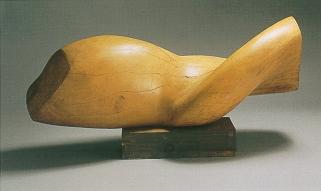
Of Raoul Hague, it was written that he "had two insatiable loves: the human figure and the materials he carved. They come together with remarkable clarity" . in his torsos whose titles often have the type of wood used. ((Reynolds 252) . In his massive wooden sculptures of the human figure, Raoul Hague reflected his understanding that the tree is a living body with a pattern of growth and individual expression. Like humans they are vulnerable to environmental problems and can have long life spans. He said: "I cut the mass into fragments and I move in it. One can orchestrate in the wood---I don't have a clear idea when I start . So you begin. You stare at it, and finally you have to do something. You make a cut. From then on it follows." (Herskovic 154). Hague spent most of his working life in Woodstock, New York where he died in 1993 at age 88. His close friends we... Read full biography