Artist signatures page loaded. Found 3 signature examples for Doitsu Sakai. Sign in or subscribe to view signatures.
Doitsu Sakai SIGNATURES
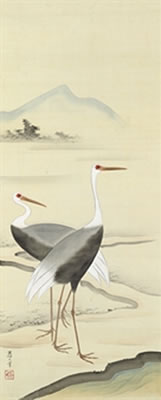
1845 - 1913. Known for: Ink and color botanical scroll images.
Sakai Doitsu was the son of Yamamoto Sodo (act. first half of the 19th cent.), who was a direct student of Sakai Hoitsu (1761-1828). Doitsu was adopted by Sakai Ohitsu (1826-1862), thereby acquiring... Read full biography
Sakai Doitsu was the son of Yamamoto Sodo (act. first half of the 19th cent.), who was a direct student of Sakai Hoitsu (1761-1828). Doitsu was adopted by Sakai Ohitsu (1826-1862), thereby acquiring the Sakai family name, and became the fourth generation master of Ugean, the painting studio... Read full biography
Sakai Doitsu was the son of Yamamoto Sodo (act. first half of the 19th cent.), who was a direct student of Sakai Hoitsu (1761-1828). Doitsu was adopted by Sakai Ohitsu (1826-1862), thereby acquiring the Sakai family name, and became the fourth generation master of Ugean, the painting studio established by Hoitsu in Negishi, Edo. One of Doitsu most well-known paintings currently in the collection of the Tokyo National Museum is a two-fold screen based on a work by Hoitsu depicting flowering... Read full biography
Sakai Doitsu was the son of Yamamoto Sodo (act. first half of the 19th cent.), who was a direct student of Sakai Hoitsu (1761-1828). Doitsu was adopted by Sakai Ohitsu (1826-1862), thereby acquiring the Sakai family name, and became the fourth generation master of Ugean, the painting studio established by Hoitsu in Negishi, Edo. One of Doitsu most well-known paintings currently in the collection of the Tokyo National Museum is a two-fold screen based on a work by Hoitsu depicting flowering plants of summer and autumn, which was included in the World's Columbian Exposition in Chicago in 1893. Source:. "Doitsu Sakai," Scholten-Japanese Art, Web, April 2017... Read full biography
Sakai Doitsu was the son of Yamamoto Sodo (act. first half of the 19th cent.), who was a direct student of Sakai Hoitsu (1761-1828). Doitsu was adopted by Sakai Ohitsu (1826-1862), thereby acquiring the Sakai family name, and became the fourth generation master of Ugean, the painting studio established by Hoitsu in Negishi, Edo. One of Doitsu most well-known paintings currently in the collection of the Tokyo National Museum is a two-fold screen based on a work by Hoitsu depicting flowering plants of summer and autumn, which was included in the World's Columbian Exposition in Chicago in 1893. Source:. "Doitsu Sakai," Scholten-Japanese Art, Web, April 2017... Read full biography
Sign in required to view signatures
Doitsu Sakai - Artist Signatures
Doitsu Sakai Artist Signatures
Access Required
askART does not represent or warrant that the information accessible via this Site is accurate, complete or current, including, but not limited to, such information contained in artist biographies, auction records, samples of artists' signatures, artworks for sale, and information and value estimates contained in artist price valuation reports.