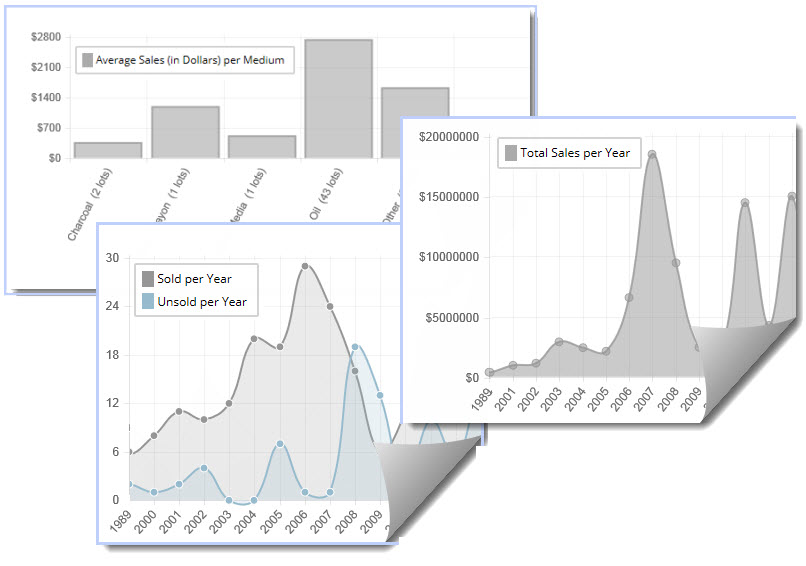
Max Slevogt PRICE CHARTS
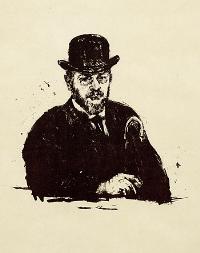
1868 Landshut, Germany - 1932 Leinsweiler, Germany. Known for: Impressionist painting.
Among the depictions of landscapes in Max Slevogt's oeuvre, motifs from his adopted homeland in the Palatinate are by far the most prevalent. This also applies to the present painting, created in the... Read full biography
Among the depictions of landscapes in Max Slevogt's oeuvre, motifs from his adopted homeland in the Palatinate are by far the most prevalent. This also applies to the present painting, created in the immediate vicinity of the estate of Neukastel - which was originally owned by the family of his... Read full biography
Among the depictions of landscapes in Max Slevogt's oeuvre, motifs from his adopted homeland in the Palatinate are by far the most prevalent. This also applies to the present painting, created in the immediate vicinity of the estate of Neukastel - which was originally owned by the family of his wife and would later became the Slevogt estate after he purchased it. Following his marriage to Antonie Finkler, a friend of his youth, in 1898, Slevogt repeatedly explored the surrounding countryside,... Read full biography
Among the depictions of landscapes in Max Slevogt's oeuvre, motifs from his adopted homeland in the Palatinate are by far the most prevalent. This also applies to the present painting, created in the immediate vicinity of the estate of Neukastel - which was originally owned by the family of his wife and would later became the Slevogt estate after he purchased it. Following his marriage to Antonie Finkler, a friend of his youth, in 1898, Slevogt repeatedly explored the surrounding countryside, which was dominated by vineyards and forests, in order to pursue his newly discovered passion for plein-air painting. In our work, the viewer's gaze sweeps across the treetops of a dark-green pine forest towards three conical mountains of the... Read full biography
Among the depictions of landscapes in Max Slevogt's oeuvre, motifs from his adopted homeland in the Palatinate are by far the most prevalent. This also applies to the present painting, created in the immediate vicinity of the estate of Neukastel - which was originally owned by the family of his wife and would later became the Slevogt estate after he purchased it. Following his marriage to Antonie Finkler, a friend of his youth, in 1898, Slevogt repeatedly explored the surrounding countryside, which was dominated by vineyards and forests, in order to pursue his newly discovered passion for plein-air painting. In our work, the viewer's gaze sweeps across the treetops of a dark-green pine forest towards three conical mountains of the Palatinate Forest in the distance. At the right, viewers can recognize Burg Scharfenberg, a castle which is als... Read full biography
Max Slevogt - Charts
Chart data loaded successfully