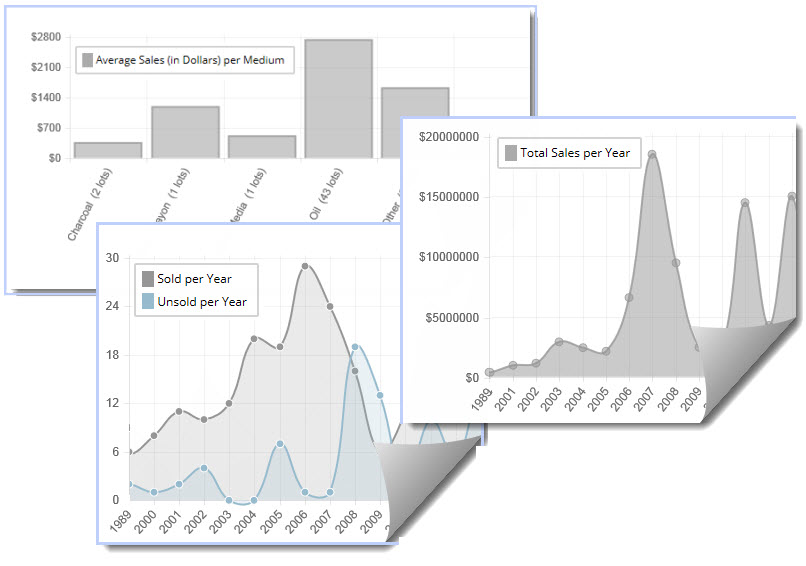
Santi Di Tito PRICE CHARTS
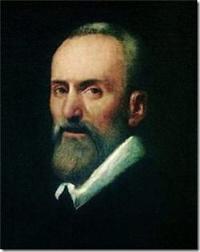
1536 Sansepolcro, Italy - 1603 Florence, Italy. Known for: Portrait painting of religious and nobility figures, architecture, frescoes.
Both painter and architect, Santi di Tito trained in Florence with Agnolo Bronzino; he followed his Mannerist teacher only in his penchant for polished forms and precise draftsmanship. After 1558,... Read full biography
Both painter and architect, Santi di Tito trained in Florence with Agnolo Bronzino; he followed his Mannerist teacher only in his penchant for polished forms and precise draftsmanship. After 1558, Santi painted frescoes in Rome and absorbed Raphael's classicism. Upon his return to Florence in 1564,... Read full biography
Both painter and architect, Santi di Tito trained in Florence with Agnolo Bronzino; he followed his Mannerist teacher only in his penchant for polished forms and precise draftsmanship. After 1558, Santi painted frescoes in Rome and absorbed Raphael's classicism. Upon his return to Florence in 1564, he joined the Accademia del Disegno, whose members regularly worked with Giorgio Vasari on court commissions. Vasari wanted Mannerism--complex poses, more strident coloring, more gracefulness, and... Read full biography
Both painter and architect, Santi di Tito trained in Florence with Agnolo Bronzino; he followed his Mannerist teacher only in his penchant for polished forms and precise draftsmanship. After 1558, Santi painted frescoes in Rome and absorbed Raphael's classicism. Upon his return to Florence in 1564, he joined the Accademia del Disegno, whose members regularly worked with Giorgio Vasari on court commissions. Vasari wanted Mannerism--complex poses, more strident coloring, more gracefulness, and more exaggeration--so Santi compromised his own simple, naturalistic style. After Vasari's death in 1574, Santi worked more often for churches, confraternities, and private clients. His return to Raphael, clear narrative, and the sincere religious... Read full biography
Both painter and architect, Santi di Tito trained in Florence with Agnolo Bronzino; he followed his Mannerist teacher only in his penchant for polished forms and precise draftsmanship. After 1558, Santi painted frescoes in Rome and absorbed Raphael's classicism. Upon his return to Florence in 1564, he joined the Accademia del Disegno, whose members regularly worked with Giorgio Vasari on court commissions. Vasari wanted Mannerism--complex poses, more strident coloring, more gracefulness, and more exaggeration--so Santi compromised his own simple, naturalistic style. After Vasari's death in 1574, Santi worked more often for churches, confraternities, and private clients. His return to Raphael, clear narrative, and the sincere religious sentiment of the Early Renaissance fulfilled the Counter-Reformation Church's demand that art both instruct and move the most humble spectator. In... Read full biography
Santi Di Tito - Charts
Chart data loaded successfully