Page loaded successfully. Showing keywords for Emil Bisttram.
Artist Keywords
Keywords page for Emil Bisttram ((1895 - 1976)), known for Dynamic symmetry, non objective painting. Showing associated keywords and tags.
Emil Bisttram KEYWORDS
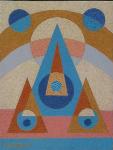
1895 Nadlak, Hungary - 1976 Taos, New Mexico. Known for: Dynamic symmetry, non objective painting.
Hungarian born, Emil Bisttram became one of the Southwest's leading painters and teachers. He was a founder of the Transcendental Art movement in New Mexico, devoted to themes exploring and promoting... Read full biography
Hungarian born, Emil Bisttram became one of the Southwest's leading painters and teachers. He was a founder of the Transcendental Art movement in New Mexico, devoted to themes exploring and promoting universal meaning that included idealistic forms and colors that suggested sounds. Best known as an... Read full biography
Hungarian born, Emil Bisttram became one of the Southwest's leading painters and teachers. He was a founder of the Transcendental Art movement in New Mexico, devoted to themes exploring and promoting universal meaning that included idealistic forms and colors that suggested sounds. Best known as an abstract painter, his style ranged from the classic regionalism of the 1930s (WPA murals) to abstractions based on the dynamic symmetry theories he learned from Jay Hambidge, tempered by Roerich's... Read full biography
Hungarian born, Emil Bisttram became one of the Southwest's leading painters and teachers. He was a founder of the Transcendental Art movement in New Mexico, devoted to themes exploring and promoting universal meaning that included idealistic forms and colors that suggested sounds. Best known as an abstract painter, his style ranged from the classic regionalism of the 1930s (WPA murals) to abstractions based on the dynamic symmetry theories he learned from Jay Hambidge, tempered by Roerich's Russian mysticism. Indeed, Bisttram would often speak of his association with Nicholas Roerich at the Master Institute in New York City, citing a story where the Russian master handed him a handful of wider brushes for his birthday thus indicating that... Read full biography
Hungarian born, Emil Bisttram became one of the Southwest's leading painters and teachers. He was a founder of the Transcendental Art movement in New Mexico, devoted to themes exploring and promoting universal meaning that included idealistic forms and colors that suggested sounds. Best known as an abstract painter, his style ranged from the classic regionalism of the 1930s (WPA murals) to abstractions based on the dynamic symmetry theories he learned from Jay Hambidge, tempered by Roerich's Russian mysticism. Indeed, Bisttram would often speak of his association with Nicholas Roerich at the Master Institute in New York City, citing a story where the Russian master handed him a handful of wider brushes for his birthday thus indicating that he should employ broader strokes in his paintings. He received his artistic training in New York at the Nationa... Read full biography
Emil Bisttram - Artist Info
About Emil Bisttram: Keywords
Keywords (79)
Art Method
- •Advertising Art
- •Easel Painting
- •Graphic Design, Printmaking, Lithography, Etching, Woodblocks
- •Kachina (Katsina) Doll Carving
- •Murals: Design, Painting, Fresco, Mosaic, Glass
Art Media
Art Style
- •Abstract Figurative, Human Figure
- •Abstraction, Abstract
- •Cubism, Cubist
- •Dynamic Symmetry
- •Modernist, Modernism (Partially Abstract, Leading Edge)
Art Subject
- •Adobe Structures, Pueblos
- •Animals, Mammals
- •Birds, Ornithology, Avian Art
- •Botanics, Plant Life
- •Coastal View, Shoreline, Seaside
- •Figure, Figurative Humans
- •Floral Landscape, Wildflowers
- •Gardens, Garden Scenes
- •Genre, Human Activity, Daily Life
- •Indians, Native Americans
- •Landscape, Nature, Rural Scene
- •Marine, Maritime, Riverfront, Boats, Canoes, Steam Boats, Nautical
- •Mountain Views, Mountainscapes
- •Nocturnes, Nightime Scenes
- •Non Objective Subject
- •Portraits, Portraiture
- •Religion, Mysticism, Spirituality
- •Townscape, Village Scenes
Geography/Places Lived and/or Worked
- •Arizona Before 1945
- •Mexico and/or Central America
- •New Mexico Before 1940
- •Russia
- •Taos, New Mexico Before 1940
Art Association
- •American Watercolor Society, Painters in Watercolor
- •New York Water Color Club, Society-
- •Transcendental Painting Group
Art Teacher
- •Diego Rivera
- •Ivan Olinsky
- •Jay Hambidge
- •Leon Kroll
Art School
- •Art Students League of New York, Student
- •Cooper Union Art School, Cooper School of Design, Student
- •National Academy of Design School, New York, Student
- •New York School of Art, Chase School, Student
- •Parsons, The New School for Design, Student
- •Roerich Academy
Awards/Recognition
- •John Simon Guggenheim Memorial Fellowship
Chronology
- •Early 20th Century Before 1950
- •Late 20th Century After 1950
Art Collection
- •Anschutz Collection
Added Description
- •Mural Specialty
- •Printmaking Specialty
- •WPA Artist, Federal Art Project, Murals and Easel Paintings
Ethnicity of Artist
- •Hungarian
Artist Colony
- •Taos Art Colony
Exhibition of Art Association
- •American Watercolor Society, Painters in Watercolor-
Exhibition of Museum
- •Art Institute of Chicago
- •Corcoran Gallery and/or Art School, Washington DC
- •Whitney Biennial Museum of American Art
Exhibition By An Art School
- •The Pennsylvania Academy of the Fine Arts