Hungarian born, Emil Bisttram became one of the Southwest's leading painters and teachers. He was a founder of the Transcendental Art movement in New Mexico, devoted to themes exploring and promoting... Read full biography
Hungarian born, Emil Bisttram became one of the Southwest's leading painters and teachers. He was a founder of the Transcendental Art movement in New Mexico, devoted to themes exploring and promoting universal meaning that included idealistic forms and colors that suggested sounds. Best known as an... Read full biography
Hungarian born, Emil Bisttram became one of the Southwest's leading painters and teachers. He was a founder of the Transcendental Art movement in New Mexico, devoted to themes exploring and promoting universal meaning that included idealistic forms and colors that suggested sounds. Best known as an abstract painter, his style ranged from the classic regionalism of the 1930s (WPA murals) to abstractions based on the dynamic symmetry theories he learned from Jay Hambidge, tempered by Roerich's... Read full biography
Hungarian born, Emil Bisttram became one of the Southwest's leading painters and teachers. He was a founder of the Transcendental Art movement in New Mexico, devoted to themes exploring and promoting universal meaning that included idealistic forms and colors that suggested sounds. Best known as an abstract painter, his style ranged from the classic regionalism of the 1930s (WPA murals) to abstractions based on the dynamic symmetry theories he learned from Jay Hambidge, tempered by Roerich's Russian mysticism. Indeed, Bisttram would often speak of his association with Nicholas Roerich at the Master Institute in New York City, citing a story where the Russian master handed him a handful of wider brushes for his birthday thus indicating that... Read full biography
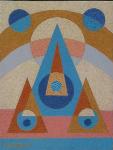
Hungarian born, Emil Bisttram became one of the Southwest's leading painters and teachers. He was a founder of the Transcendental Art movement in New Mexico, devoted to themes exploring and promoting universal meaning that included idealistic forms and colors that suggested sounds. Best known as an abstract painter, his style ranged from the classic regionalism of the 1930s (WPA murals) to abstractions based on the dynamic symmetry theories he learned from Jay Hambidge, tempered by Roerich's Russian mysticism. Indeed, Bisttram would often speak of his association with Nicholas Roerich at the Master Institute in New York City, citing a story where the Russian master handed him a handful of wider brushes for his birthday thus indicating that he should employ broader strokes in his paintings. He received his artistic training in New York at the Nationa... Read full biography